Search

Showing posts with label mixed legal systems. Show all posts

04 June 2020

SSRN PAPER: Mitra SHARAFI, Mixing Legal Systems in the British Empire

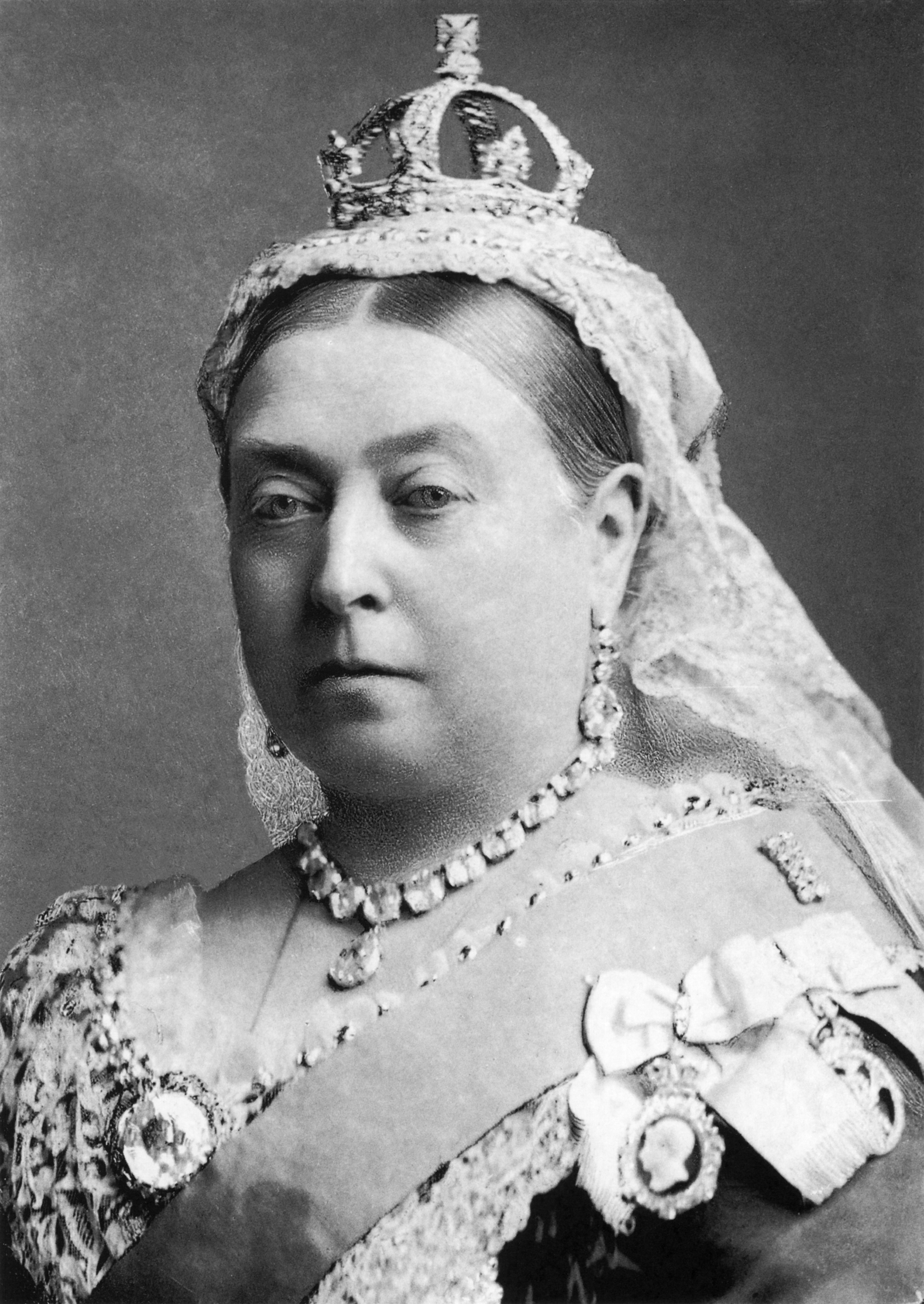
(image: Queen Victoria; Source: Wikimedia Commons)

Abstract:
This talk was given as part of a mini-plenary session on histories of empire and legal pluralism at the New Orleans meeting of the Law and Society Association in 2016. It examines mixed legal systems in the British empire between the eighteenth and twentieth centuries, focusing on fusions of Roman law or various bodies of personal law with common law. The history of the legal profession sheds light on how new kinds of mixed legal systems became feasible at particular times. Legal pluralism in the form of diverse legal systems administered by the state emerged through practicality as much as principle. As a result, the question for British colonial officials was perhaps not so much "what bodies of non-Anglo law should we retain, as a matter of principle?" as "what bodies of non-Anglo law can we retain, as a matter of personnel and practice?"
Read more on SSRN.


22 June 2015

BOOK: Cairns on Codification, Transplants and History: Law Reform in Louisiana (1808) and Quebec (1866)

John Cairns (Edinburgh)'s Codification, Transplants and History: Law Reform in Louisiana (1808) and Quebec (1866) (The Lawbook Exchange, 2015) is now available:


When Louisiana enacted its Digest of the Civil Laws in 1808 and Quebec its Civil Code of Lower Canada in 1866, both jurisdictions were in a period of transition economic, social and political. In both, the laws had originally been transplanted from European nations whose societies were in many ways different from theirs.
 
This book offers the first systematic and detailed exploration of the two new codes in light of social and legal change. Cairns examines the rich, complex, and varying legal cultures French, Spanish, Civilian and Anglo-American on which the two sets of redactors drew in drafting their codes. He places this examination in the context surrounding each codification, and the legal history of both societies.

Cairns offers a detailed analysis of family law and employment in the two codes, showing how their respective redactors selected from a defined range of sources and materials to construct their codes. He shows that they acted relatively freely, attempting to inscribe into law rules reflecting what they understood to be the needs of their society from an essentially intuitive and elite perspective. While not propounding a universal theory of legal development, Cairns nonetheless shows the types of factors likely to influence legal change more generally. xlv, 559 pp.

22 February 2013

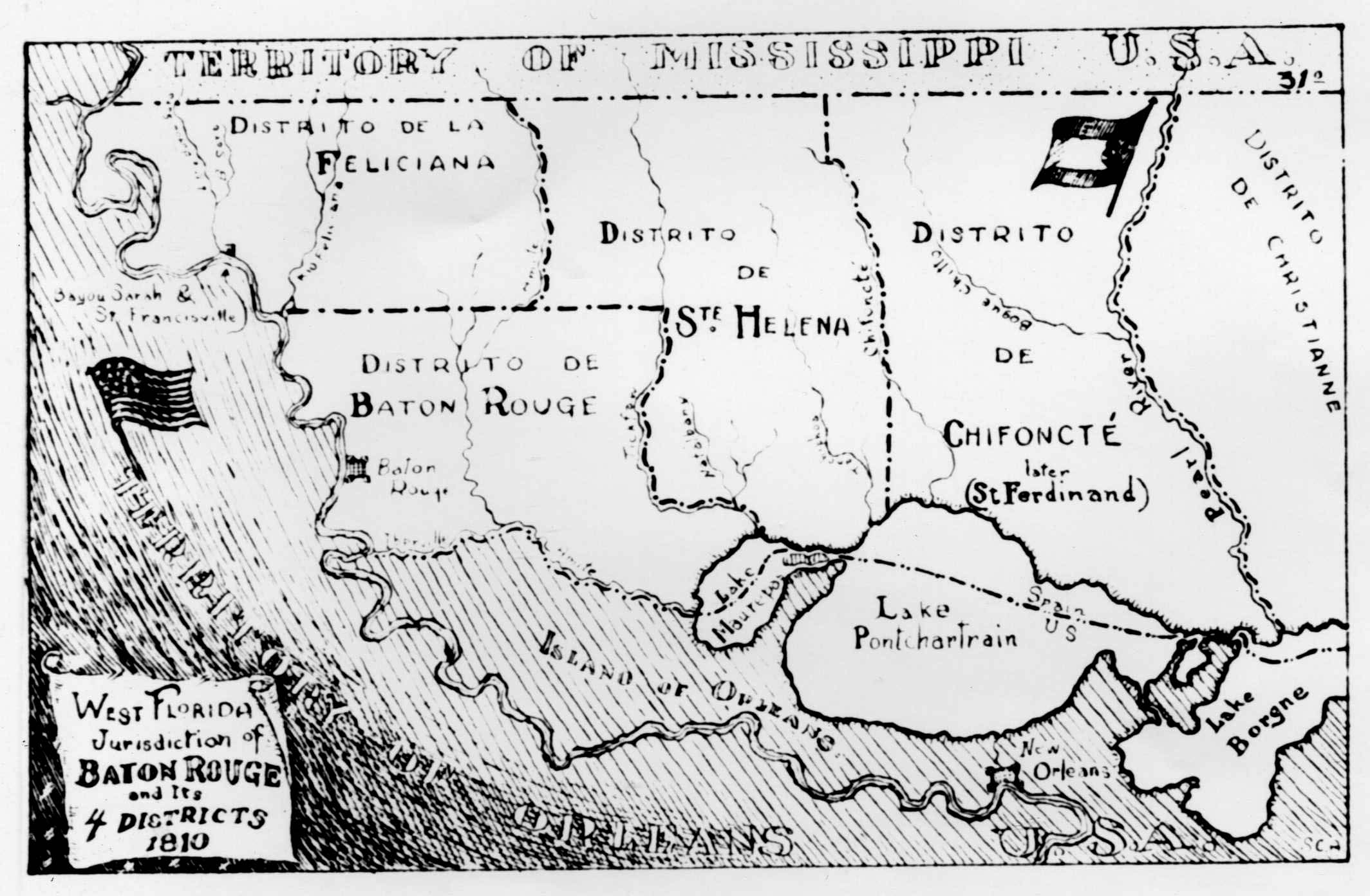
SHAMELESS SELF-PROMOTION: Donlan on Spanish West Florida and the American Territory of Orleans, 1803-1810

A draft of my 'Entangled up in Red, White, and Blue: Spanish West Florida and the American Territory of Orleans, 1803-1810' is available here and will soon be available here.  


The piece has been accepted for Thomas Duve (ed.), Entanglements in Legal History: Conceptual Approaches to Legal History, Global Perspective on Legal History vol. 1, Max Planck Institute for European Legal History Open Access Publication, 2013.

The abstract reads:


This article is a preliminary case study of legal and normative entanglement in Spanish West Florida—which stretched across the Gulf Coast of present-day Louisiana, Mississippi, Alabama, and Florida—between 1803-1810. Between the time of the Louisiana Purchase (1803) and the annexation of Westernmost part of West Florida by the United States (1810), the laws and norms of the Territory criss-crossed in various ways those of Spain and the United States. Indeed, the territory was, in turn, French, British, and Spanish before being annexed, in part, by the Americans. For the period under study here, and decades before, its settlers were largely Anglophone, while its laws were a variant of the Spanish colonial ius commune. West Florida had an especially close relationship with the area that would become the new American Territory of Orleans (1805), especially the city of New Orleans. Carved out of the vast Louisiana Territory purchased from France, the Territory of Orleans had its own complex history. Its population was still largely Francophone. In its first decade, its laws were already a gumbo of continental and Anglo-American ingredients. Together, the two territories sat at the precipice of the modern nation-state, of nationalism and popular sovereignty, of legal positivism and legal formalism. In both territories, the diffusion—direct and indirect, formal and informal, ongoing and sporadic—of the various laws and norms of natives and newcomers created intricate legal and normative hybrids.   

I'd welcome your thoughts and corrections.