Search

Showing posts with label Habsburg monarchy. Show all posts

07 December 2023

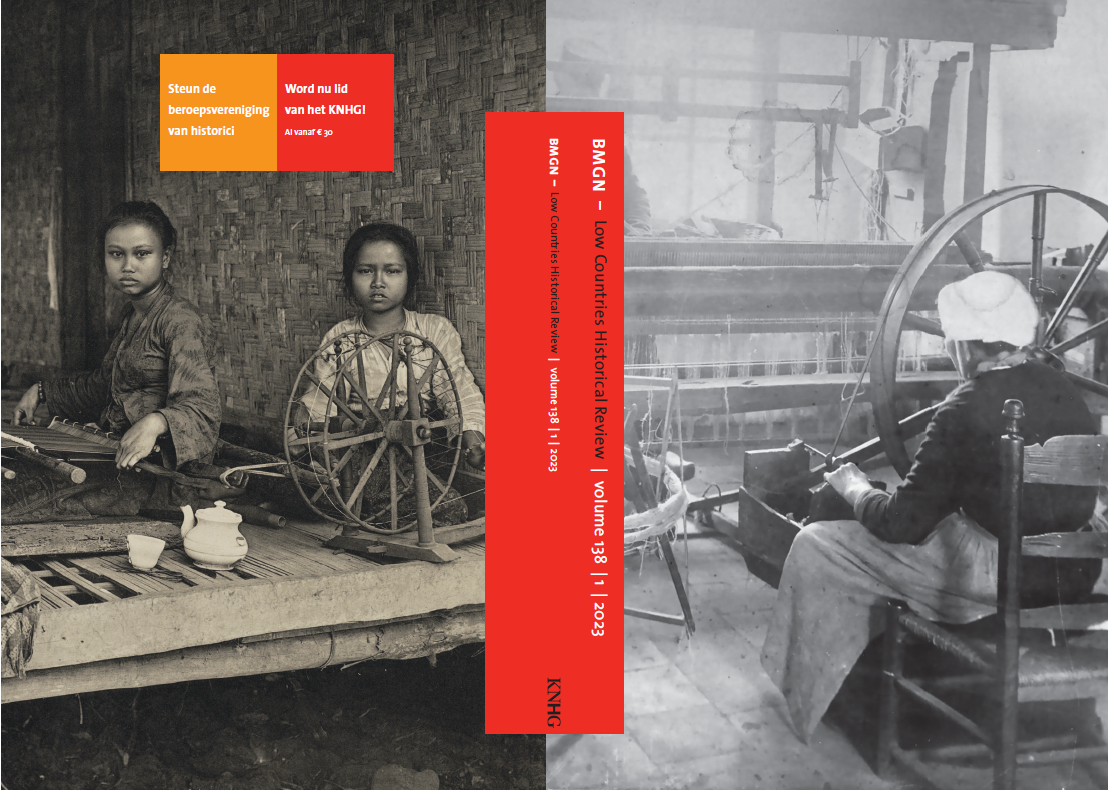
BOOK: Miriam GASSNER, Der Vertrag von Sèvres. Vertragstext und Analyse des Friedenschlusses mit der Türkei vom 10. August 1920 im Kontext der Pariser Vorortverträge [Studien zur Geschichte des Völkerrechts, eds. Anne PETERS, Bardo FASSBENDER, Milos VEC & Jochen VON BERNSTORFF; vol. 42] (Baden-Baden: Nomos Verlag, 2023), ,281 p. ISBN 9783848788538. OPEN ACCESS


(image source: Nomos)

Abstract:

The 1920 Treaty of Sèvres between the Allied Powers and Turkey can undoubtedly be described as one of the most significant international treaties of the 20th century. Aiming at reshaping the Middle East, it laid the foundation for the British Empire to reach the peak of its territorial expansion shortly after it was signed. The fact that the treaty has been little noticed in the German-speaking world is probably also due to the fact that until now there has been no complete translation of the treaty into German. The aim of this work is now to provide such a translation and to place the Treaty of Sèvres in the context of the Paris Peace Treaties.

 Read the full book in open access: DOI 10.5771/9783748934110.

16 November 2023

CONFERENCE: Tercentenary of the Imperial East India Company in Ostend (1722/1723-2023) (Ostend: VLIZ, 23-24 NOV 2023)


In 1722-1723, Emperor Charles VI, Count of Flanders and Duke of Brabant, granted the charter of the Imperial East India Company in Ostend. The company's shares were traded on the Antwerp Stock Exchange. Its ships went to China and India. International pressure brought the Emperor to suspend (1727) and retract (1731) the charter, although clandestine activity continued until a lot later in the eighteenth century. The Belgian Royal Marine Society and the Flanders Marine Institute (VLIZ) organise an international conference in Ostend, 23-24 November 2023.

Program:

Thursday 23 November 2023

9:15     Welcome:

  • Jan Mees (VLIZ) & Eduard Somers (Royal Belgian Marine Society)
  • Carl Decaluwé (Governor of the Province of West-Flanders)
  • Torsten Feys (VLIZ), Frederik Dhondt (VUB), Michael-W. Serruys (Royal Belgian Marine Society) & Stan Pannier (VLIZ)

10:00   Key Note 1Small companies in a global perspective – Cátia Antunes (Leiden)

11:15   Break

11:45   Session 1 – The Ostend Company and its European merchants and investors

  1. France and the Ostend Company – Pierrick Pourchasse (Brest)
  2. The Lisbon link: Uncovering the Portuguese connection of the Ostend Company (1714-1730) – Gijs Dreijer (Leiden), Susana Münch Miranda (Lisbon) & João Paulo Salvado (Évora)
  3. The Danish Ostend legacy: Supercargo Pieter Van Hurk in Copenhagen – Benjamin Asmussen (Copenhagen)

13:15   Lunch

14:30   Session 2 – The Ostend Company’s European market: Shipping and smuggling

  • A Cantonese fairy tale. The Ostend tea trade and smuggle (1718-1756) – Jan Parmentier (Antwerp)
  • The Ostend Company and the Sound Toll Registers, Dutch and Frisian skippers in Ostend – Jelle Jan Koopmans (Groningen)
  • Lighter and brighter: Indian cottons in Brussels in the first half of the eighteenth century – Veronika Hyden-Hanscho (Klagenfurt)

16:00   Break

16:30   Session 3 – The Ostend Company’s homeport(s) in the Austrian Netherlands

  • The Ostend Company and the Port and City of Ostend – Michael-W. Serruys (Brussels)
  • A rivalry of maritime aspirations between Bruges and Ostend (1715-1730) – Erik Muls (Leuven)

Friday 24 November 2023

9:00     Key Note 2Merchants or soldiers? The Ostend Company: local actions, maritime power and military conflicts in China and Bengal – Wim De Winter (Leuven)

10:15   Break

10:45   Session 4 – All on board to Asia

  • Commensality on board the Ostend Company’s East Indiamen – Dennis De Vriese (Brussels)
  • ‘Le pavillon impérial y est respecté’: on the context of the establishment and functioning of the Ostend settlement of Coblon on the Coromandel coast of India – Karel Stanĕk (Prague) & Michal Wanner (Prague)
  • The aftermath of Banquibazar: Dutch takeover, English mansion and Bengal police academy (1745-2020) – John Everaert (Ghent)
  • Maritime comradeship and artistic taste. Eighteenth century clay portrait figures of the officers from Ostend and Danish East India Companies – Yi-Chieh ‘Mireille’ Shih (Leiden)

12:15   Lunch

13:30   Session 5 – The Ostend Company and European diplomacy

  1. David and Goliath? Reassessing colonial competition and the struggle for global empire between the Dutch republic and the Habsburg Monarchy in the case of the Ostend Company – Jonathan Singerton (Amsterdam)
  2. Law and interest: The politico-legal battle on the Ostend Company and ‘la vie du droit’ (1725-1730) – Frederik Dhondt (Brussels)
  3. ‘The Emperor himself […] permitted the ships to go to the Indies’: Charles VI and the end of the Ostend Company – Charlotte Backerra (Göttingen)

15:00   Break

15:30   Session 6 – The Ostend Company and new societal ideas      

  1. The Ostend Company: Law of the Sea debates in the Age of mercantilism – Stefano Cattelan (Brussels)
  2. ‘What if everyone would do it freely?’ The Ostend Company and the invention of modern business practices in eighteenth century St.-Petersburg, Russia – Alexei Kraikovski (Genua)

16:30   Conclusion


Itinerary:

20 October 2023

CONFERENCE: Tercentenary of the Imperial East India Company in Ostend (1722/1723-2023) (Ostend: VLIZ, 23-24 NOV 2023)


In 1722-1723, Emperor Charles VI, Count of Flanders and Duke of Brabant, granted the charter of the Imperial East India Company in Ostend. The company's shares were traded on the Antwerp Stock Exchange. Its ships went to China and India. International pressure brought the Emperor to suspend (1727) and retract (1731) the charter, although clandestine activity continued until a lot later in the eighteenth century. The Belgian Royal Marine Society and the Flanders Marine Institute (VLIZ) organise an international conference in Ostend, 23-24 November 2023.

Program:

Thursday 23 November 2023

9:15     Welcome:

  • Jan Mees (VLIZ) & Eduard Somers (Royal Belgian Marine Society)
  • Carl Decaluwé (Governor of the Province of West-Flanders)
  • Torsten Feys (VLIZ), Frederik Dhondt (VUB), Michael-W. Serruys (Royal Belgian Marine Society) & Stan Pannier (VLIZ)

10:00   Key Note 1Small companies in a global perspective – Cátia Antunes (Leiden)

11:15   Break

11:45   Session 1 – The Ostend Company and its European merchants and investors

  1. France and the Ostend Company – Pierrick Pourchasse (Brest)
  2. The Lisbon link: Uncovering the Portuguese connection of the Ostend Company (1714-1730) – Gijs Dreijer (Leiden), Susana Münch Miranda (Lisbon) & João Paulo Salvado (Évora)
  3. The Danish Ostend legacy: Supercargo Pieter Van Hurk in Copenhagen – Benjamin Asmussen (Copenhagen)

13:15   Lunch

14:30   Session 2 – The Ostend Company’s European market: Shipping and smuggling

  • A Cantonese fairy tale. The Ostend tea trade and smuggle (1718-1756) – Jan Parmentier (Antwerp)
  • The Ostend Company and the Sound Toll Registers, Dutch and Frisian skippers in Ostend – Jelle Jan Koopmans (Groningen)
  • Lighter and brighter: Indian cottons in Brussels in the first half of the eighteenth century – Veronika Hyden-Hanscho (Klagenfurt)

16:00   Break

16:30   Session 3 – The Ostend Company’s homeport(s) in the Austrian Netherlands

  • The Ostend Company and the Port and City of Ostend – Michael-W. Serruys (Brussels)
  • A rivalry of maritime aspirations between Bruges and Ostend (1715-1730) – Erik Muls (Leuven)

Friday 24 November 2023

9:00     Key Note 2Merchants or soldiers? The Ostend Company: local actions, maritime power and military conflicts in China and Bengal – Wim De Winter (Leuven)

10:15   Break

10:45   Session 4 – All on board to Asia

  • Commensality on board the Ostend Company’s East Indiamen – Dennis De Vriese (Brussels)
  • ‘Le pavillon impérial y est respecté’: on the context of the establishment and functioning of the Ostend settlement of Coblon on the Coromandel coast of India – Karel Stanĕk (Prague) & Michal Wanner (Prague)
  • The aftermath of Banquibazar: Dutch takeover, English mansion and Bengal police academy (1745-2020) – John Everaert (Ghent)
  • Maritime comradeship and artistic taste. Eighteenth century clay portrait figures of the officers from Ostend and Danish East India Companies – Yi-Chieh ‘Mireille’ Shih (Leiden)

12:15   Lunch

13:30   Session 5 – The Ostend Company and European diplomacy

  1. David and Goliath? Reassessing colonial competition and the struggle for global empire between the Dutch republic and the Habsburg Monarchy in the case of the Ostend Company – Jonathan Singerton (Amsterdam)
  2. Law and interest: The politico-legal battle on the Ostend Company and ‘la vie du droit’ (1725-1730) – Frederik Dhondt (Brussels)
  3. ‘The Emperor himself […] permitted the ships to go to the Indies’: Charles VI and the end of the Ostend Company – Charlotte Backerra (Göttingen)

15:00   Break

15:30   Session 6 – The Ostend Company and new societal ideas      

  1. The Ostend Company: Law of the Sea debates in the Age of mercantilism – Stefano Cattelan (Brussels)
  2. ‘What if everyone would do it freely?’ The Ostend Company and the invention of modern business practices in eighteenth century St.-Petersburg, Russia – Alexei Kraikovski (Genua)

16:30   Conclusion


Itinerary:
04 May 2023

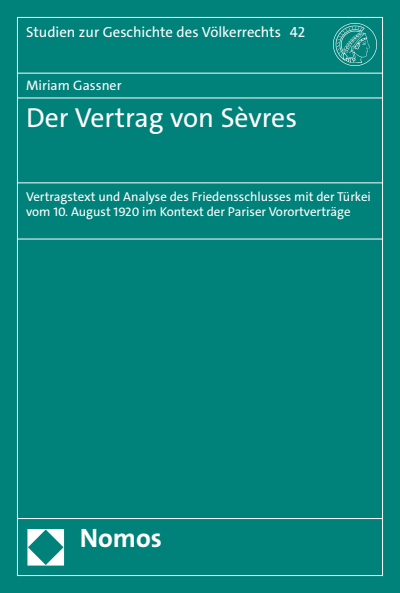
ARTICLE: Klaas VAN GELDER, "Local Lordship and Joyous Entries in the Burgundian and Habsburg Netherlands" (BMGN - Low Countries Historical Review CXXXVIII (2023)/1, 31-70


(image source: BMGN)

Abstract:

Ever since the cultural turn and the understanding of ritual and ceremony as forms of communication and symbolic negotiation, medieval and early modern princely coronations, inaugurations, and joyous entries have received incessant scholarly attention. That was much less the case for seigneurial joyous entries that took place in villages and small towns. The Burgundian and Habsburg Netherlands, and the Duchy of Brabant in particular, had a remarkably strong tradition in this respect. Local lords and ladies held entries in their seigneuries, issued liberty charters, and swore to uphold local rights and privileges. These entries gave occasion to high masses and Te Deums, banquets with local dignitaries, and festivities for the other inhabitants. This article analyses a set of 88 seigneurial entries, ranging from the early fifteenth until the late eighteenth century. It argues that these solemnities were structural components of the seigneurial landscape, carrying legal, social, and political meaning. They are also gauges for the power relations between the lord or lady, local office holders, and villagers or townspeople at a given moment, and can therefore help us to better understand who stood to gain most from the seigneurial system.

Read the full article here (open access): DOI 10.51769/bmgn-lchr.9921.

30 April 2021

BOOK: Jana OSTERKAMP, Vielfalt ordnen - Das föderale Europa der Habsburgermonarchie (Vormärz bis 1918) (Göttingen: Vandenhoeck & Ruprecht, 2020). ISBN 978-3-525-37093-3, 80.00 EUR


Vandenhoeck & Ruprecht is publishing a new book on the Habsburg federalism.

ABOUT THE BOOK


Die Habsburgermonarchie mit der Vielfalt ihrer Völker, Sprachen und historischen Räume war ein faszinierendes „Europa im Kleinen". Föderalismus wurde im 19. Jahrhundert zur umkämpften Leitidee. Das föderale Laboratorium reichte von Metternichs »Föderativstaat« über die Personalautonomie der Austromarxisten bis zu Verfassungsentwürfen unter Franz Ferdinand und Kaiser Karls Nationalitätenbundesstaat von 1918.

Neben föderalen Reformentwürfen beschreibt das Buch das Habsburgerreich als gelebte Föderation. Diese umfasste eine gemeinsame Außen- und Sicherheitspolitik, die dualistische Konkurrenz von Österreich und Ungarn und eine zunehmende Eigenständigkeit und Zusammenarbeit der österreichischen Kronländer gerade in modernen Politikbereichen wie Bildung, Gesundheit, Fürsorge und Infrastruktur. Diese föderale Geschichte im europäischen 19. Jahrhundert führt weit über die Geschichte des habsburgischen Reichs hinaus bis in die europäische Gegenwart.

ABOUT THE AUTHOR

PD Dr. Jana Osterkamp ist Historikerin und Juristin. Sie ist wissenschaftliche Mitarbeiterin des Collegium Carolinum und lehrt an der Ludwig-Maximilians-Universität München.


More info here